
The data behind Europe's hydrogen electrolyser industry and the urgency to act now
Hydrogen is
>95% fossil-based
and Europe is dependent on volatile imports. With less than 1 GW in installed capacity, water electrolysis represented only ~0.5% of total production in 2024.
Source: European Hydrogen Observatory 2024
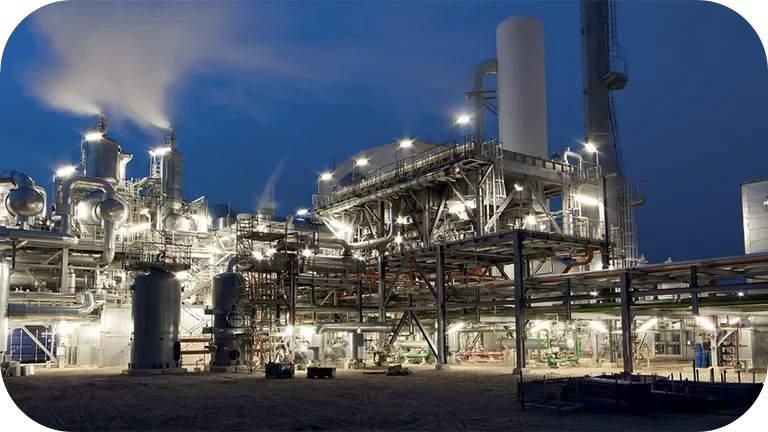

With
~84 GW potential
in the green hydrogen project pipeline, Europe is ready to scale deployment.
Source: Clean Hydrogen Monitor (2025) - Hydrogen Europe
Only
~2.8 GW in
construction
shows that electrolyser deployment continues to lag ambition. To meet the RED III binding targets, Europe needs at least 25 GW of installed capacity by 2030.
Source: Clean Hydrogen Monitor (2025) - Hydrogen Europe
>50 projects cancelled
in the last 18 months, at least 80% of which were early-stage renewable hydrogen projects.
Source: Clean Hydrogen Monitor (2025), PDF
With
30 % market share
in the electrolyser manufacturing capacity globally, Europe has a strong stake and is ready to build.
Source: BloombergNEF - Green Daily
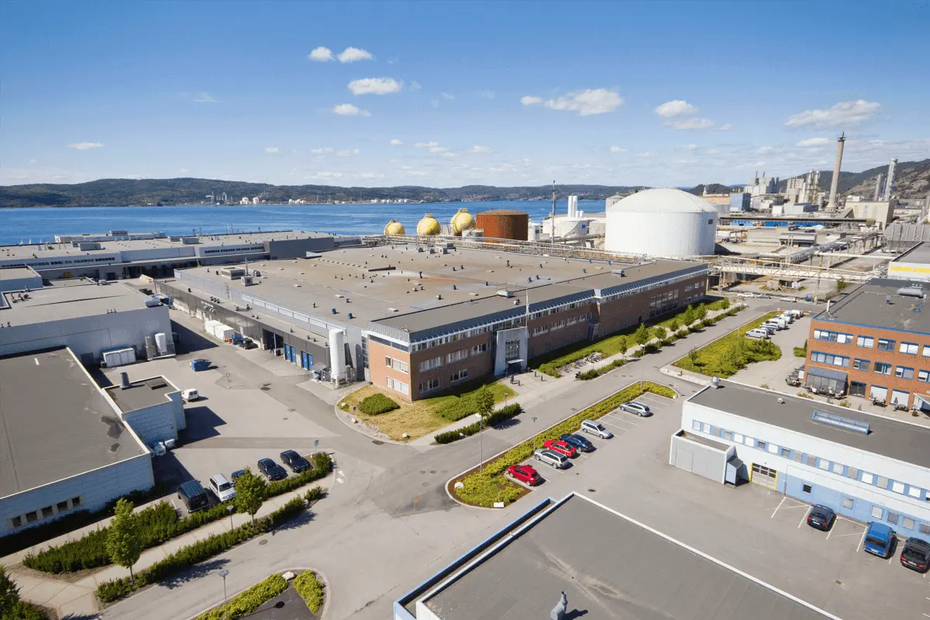
representing 58% of Europe's hydrogen demand and a potential electrolysis capacity of up to 45 GW, will play a key role in achieving RED III mobility targets.
Source: Clean Hydrogen Monitor (2025)
production representing 25% of Europe's hydrogen demand and a potential electrolysis capacity of up to 20 GW, will play a key role in achieving RED III industry targets.
Source: Clean Hydrogen Monitor (2025)
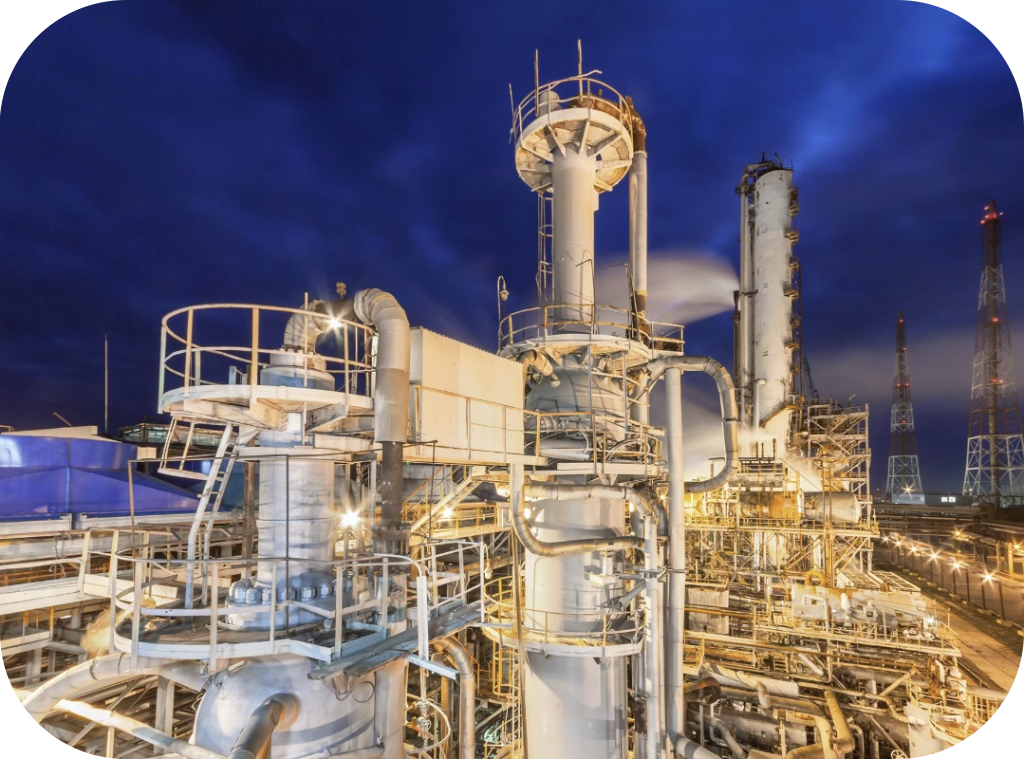

with a perspective ~9 GW of clean hydrogen production, capable of decarbonising ~24% of current primary steel production by 2030.
Source: Clean Hydrogen Monitor (2025)
for the maritime and aviation sector as key demand drivers, with a ~4 GW potential by 2030.
Source: Clean Hydrogen Monitor (2025)
